

| Table of Contents |  |
|
Original Article
| ||||||
| Serosurvey of human T cell lymphotropic virus I/II among blood donors in Gombe (Nigeria) | ||||||
| Mohammed Mohammed Manga1, Adeola Fowotade2, Saleh Yuguda3, Girei Ahmed Iya4, Mohammed Yahaya5, Yakubu Munkaila Sheriff6, Omoruyi Ewean Chukwuma7, Ibrahim Musa Yola8, Rasheed Ajani Bakare9 | ||||||
|
1MBBS, Lecturer and Consultant, Department of Medical Microbiology and Immunology, Federal Teaching Hospital Gombe, Gombe state Nigeria.
2MBBS, MSc Medical Virology, Lecturer and Consultant, Department of Medical Microbiology and Parasitology, University College Hospital Ibadan, Oyo state Nigeria. 3MBBS, Lecturer and Consultant, Department of Haematology, Federal Teaching Hospital Gombe, Gombe state Nigeria. 4MBBS, Consultant, Department of Haematology, Federal Teaching Hospital Gombe, Gombe state Nigeria. 5MBBS, Lecturer and Consultant, Department of Medical Microbiology and Parasitology, Usmanu Danfodio Univeristy Sokoto, Sokoto state Nigeria. 6BSc, Assistant Director Laboratory Services, Department of Haematology, Federal Teaching Hospital Gombe, Gombe state Nigeria. 7BSc, Institute of Child Health, College of Medicine University of Ibadan, Oyo state Nigeria. 8MBBS, Lecturer and Consultant, Department of Medicine, Federal Teaching Hospital Gombe, Gombe state Nigeria. 9MBBS, Professor and Consultant, Department of Medical Microbiology and Parasitology, University College Hospital Ibadan, Oyo State Nigeria. | ||||||
| ||||||
|
[HTML Abstract]
[PDF Full Text]
[Print This Article]
[Similar article in Pumed] [Similar article in Google Scholar] |


| How to cite this article |
| Manga MM, Fowotade A, Yuguda S, Iya GA, Yahaya M, Sheriff YM, Chukwuma OE, Yola IM, Bakare RA. Serosurvey of human T cell lymphotropic virus I/II among blood donors in Gombe (Nigeria). Int J Blood Transfus Immunohematol 2016;6:12–19. |
|
Abstract
|
|
Aim:
This study was carried out to determine the prevalence of human T cell lymphotropic virus I/II (HTLV I/II) among blood donors at the Federal Teaching Hospital Gombe (FTHG), North-eastern, Nigeria.
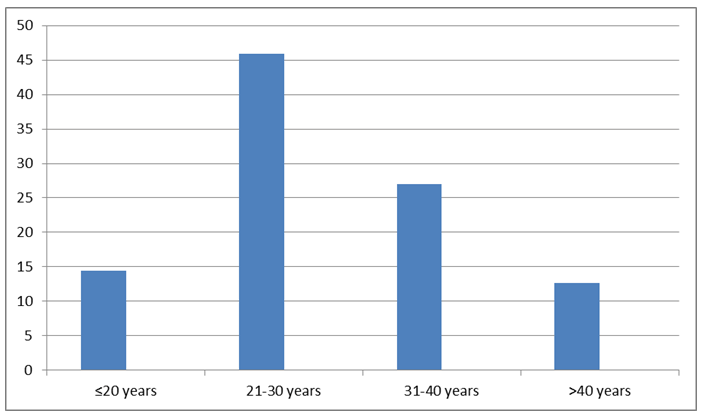
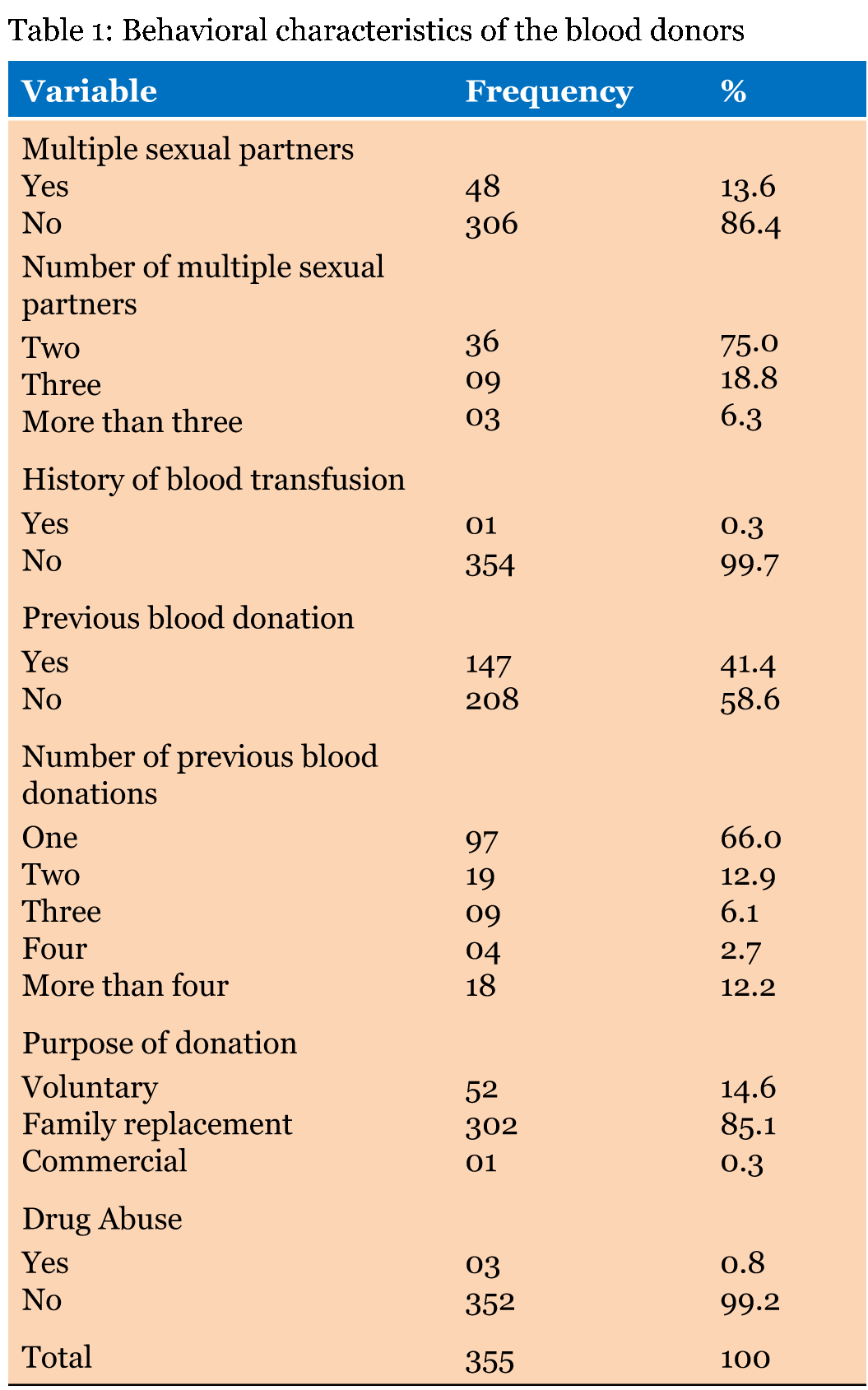
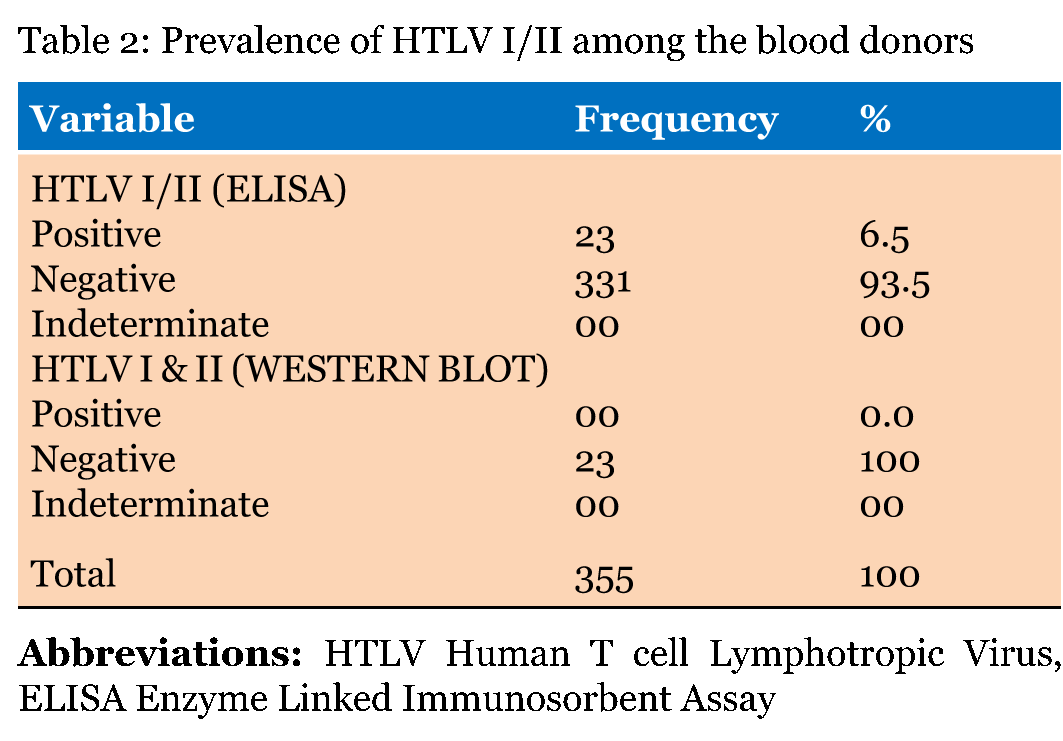
Methods: A total of 355 blood donors were recruited at the hematology department of FTHG for a hospital based cross-sectional study and were screened/confirmed for HTLV I/II by ELISA and western blot methods. Results: Seroprevalence of HTLV I/II among the 355 participants with mean age of 30.77 years (±8.27) was 6.5% on screening with ELISA but confirmed to be 0% by western blot. Majority were males, 352 (99.2%) and mostly (45.9%) between 21–30 years of age. Donors for family replacements predominated (85.1%) with more than half (58.6%) being first time blood donors. Conclusion: This study reveals the absence of HTLV I/II among blood donors in Gombe North-eastern Nigeria. It also highlights the possibility of false positivity in some of the reported prevalence of HTLV I and II from some parts of Nigeria that were based on screening tests only. The importance of confirmatory testing in all research works on HTLV (including HTLV 3 and HTLV 4) is further strengthened with this study. There is however the need for a larger study and the use of molecular diagnostics to reconfirm this assertion. | |
|
Keywords:
Blood donors, Gombe, Human T cell lymphotropic virus I/II (HTLV I/II), Nigeria, T cell
| |
|
Introduction
| ||||||
|
Human T cell lymphotropic virus I (HTLV-I) is the first human retrovirus to be discovered and has continued to be an important transfusion transmissible infection (TTI) especially in highly endemic regions such as the sub-Saharan Africa [1]. The virus has been associated with several diseases including adult T cell leukemia (ATL), tropical spastic paraparesis, HTLV-I uveitis and HTLV-I associated infective dermatitis [2][3]. The ATL develops only in HTLV-I infected individuals and all ATL cells contain integrated HTLV-I provirus [4]. Geographical areas with high incidence of ATL patients correspond closely with those of high incidence of HTLV-I carriers [5]. However, HTLV-II has not been causally linked to human malignancy but may be associated with lymphocytosis, increased risk of developing inflammatory neuropathies and infectious diseases [6]. Blood safety remains an important public health concern in Africa as morbidity and mortality from unsafe blood continues to adversely impact on populations [7]. Human T cell lymphotropic virus has been considered to be currently one of the greatest concerns threatening health of blood recipients in some endemic areas [8]. Intravenous exposure to contaminated blood or blood products is the most efficient mode of HTLV-I transmission with up to 63.4% seroconversion rate reported in Japan [3] [9]. Additionally, blood transfusion related HTLV associated diseases develop more rapidly than with other means of transmission [10]. Immunosuppression increases the risk of HTLV transmission with shorter latency period when compared to healthy carriers [11] . The HIV pandemic has led to an upsurge in the number of immunosuppressed patients, thus supporting the need for pre-transfusion screening for TTIs including HTLV. This is more important in highly endemic regions, including Nigeria. HTLV-I/HIV-1 co-infection is associated with severe clinical manifestations of HIV and worsening of the immunosuppressive status of the patient [12]. In Africa, this becomes a major concern due to the high burden of HIV infection in the region [13]. Routine screening for antibodies to HTLV-I and HTLV-II has been instituted in blood banks in many countries including Japan, USA, Canada, the Caribbean, France, Brazil and Australia [2][3]. Presently in African countries Nigeria inclusive, there is no routine screening programme for HTLV among blood donors [14] [15]. Prevalence studies on HTLV from some regions of Nigeria do exist. However, there is paucity of data on the burden of this virus from other parts of Nigeria especially the north-eastern region. This current discourse is aimed at establishing the prevalence of HTLV I/II among blood donors in Gombe, Nigeria. | ||||||
|
Materials and Methods
| ||||||
|
Study Population Ethical clearance and approval was obtained from the research and ethics committee of the FTHG for the study. Handling, storage and disposal of the specimens was strictly based on sound ethical principles. Study Design This hospital-based cross-sectional study was done using enzyme linked immunosorbent assay (ELISA) and Western Blot (WB) to detect and confirm HTLV I/II among apparently healthy blood donors. Sample size was determined using the Fisher's formula as 333 based on the HTLV prevalence of 3.6% [16] among blood-donors from northern Nigeria. This was readjusted to 366 by adding 10% of the calculated figure to make room for attrition. Three hundred and sixty-six donors were recruited for the study but 355 were analysed as 11 specimens were found to be unsuitable for the study. A semi-structured questionnaire was administered to each participant. Laboratory Methods Specimen collection and storage Screening and confirmation DATA ANALYSIS | ||||||
|
Results | ||||||
|
Age and sex distribution of the participants Behavioral characteristics of the blood donors Prevalence of HTLV I and II among the blood donors | ||||||
| ||||||
| ||||||
| ||||||
|
Discussion
| ||||||
|
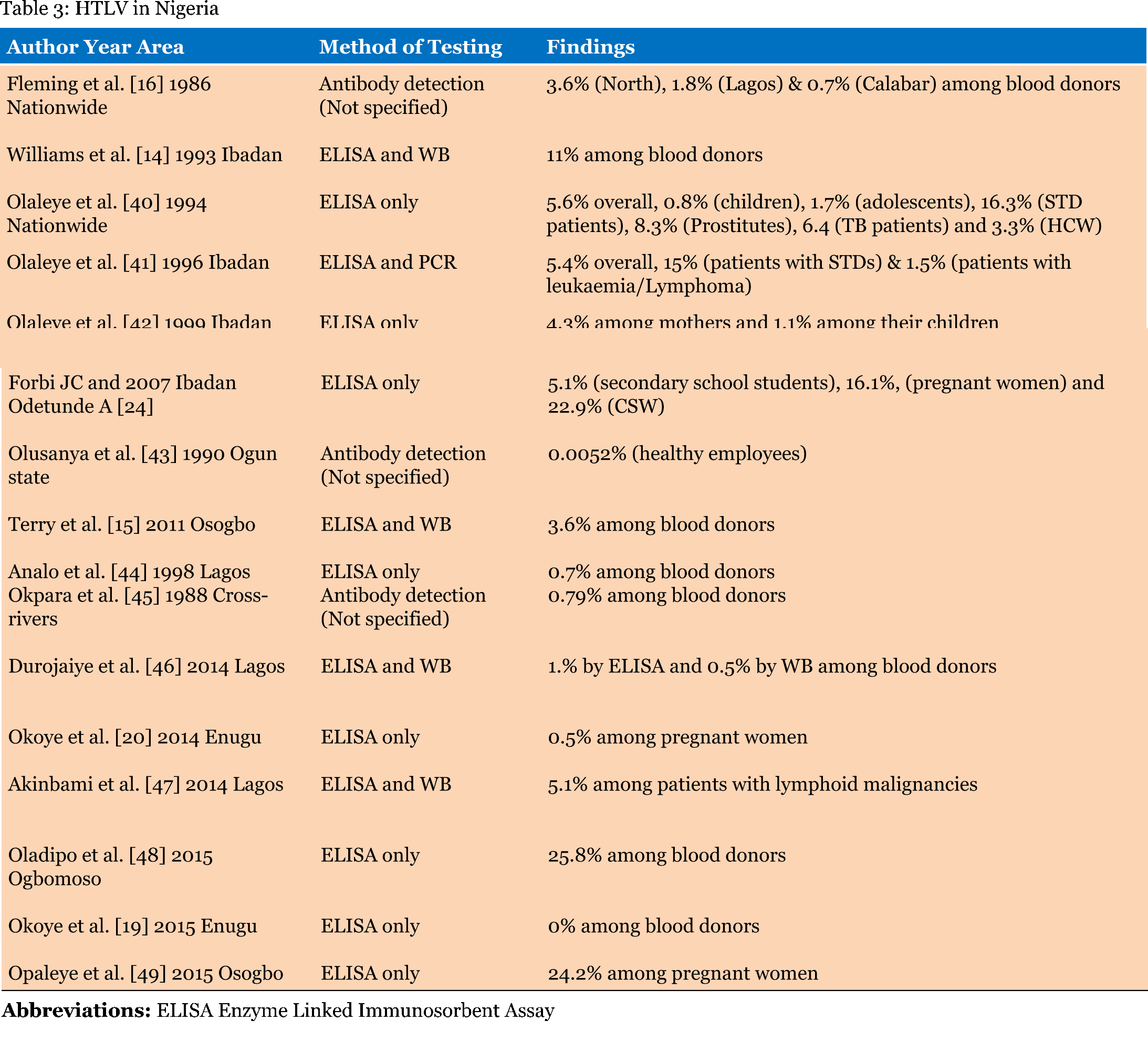
This study is about the first to be reported from any part of North-eastern Nigeria. Three hundred and fifty- five (355) blood donors in FTHG were studied and a seroprevalence of 6.5% was obtained based on ELISA which was confirmed to be 0% following western blot testing. A recent study from Enugu in South-eastern Nigeria also reported a similar zero (0%) prevalence among prospective blood donors [19]. Some other Nigerian studies have also reported low prevalence of HTLV among different population groups [20] [21]. Low prevalence rates have also been reported from some African countries with 0.16% in Dakar, Senegal and 2.3% in Guinea Bissau [22] [23]. Although more than half of the studies on HTLV from Nigeria did not perform any confirmatory test, higher prevalence rates among certain high risk groups in Nigeria are not unusual [14] [24]. Geographical variations in prevalence of HTLV based on ethnic/socio-cultural and environmental differences from different parts of the world has been well documented [1]. Nigeria is both geographically and socio-culturally diverse. It is therefore not surprising to find 0% prevalence from a region of Nigeria that has hitherto never reported any study on HTLV or HTLV-associated diseases. False positive results with enzyme immunoassays (EIAs) for antibodies to HTLV-I/II have led to the unnecessary deferral of tens of thousands of potential blood donors even in developed countries [25]. HTLV ELISA has shown very high (60–80% among blood donors) false-positive rates in areas of low prevalence and only confirmatory testing rules out actual HTLV infection [26]. However, virtually no confirmatory testing has ever been reported from northern Nigeria especially the North-eastern region. High level of false positive ELISA for HTLV from some parts of the world (e.g., 29.2% in Caracas [27] and 100% in Turkey [28]) could indicate that carrying out this study on larger sample size may reveal a similar prevalence from north-eastern Nigeria. Cross-reactivity with plasmodium falciparum is one of the most suggested possible explanations for false positive HTLV ELISA especially in malaria endemic areas (like Nigeria) [29] [30]. False-positive HTLV EIA results with negative confirmatory Western blot test results have also been associated with many factors, such as influenza vaccine, severe acute respiratory syndrome, some bacterial infections, autoimmune disorders and multiple pregnancies [31] [32][33]. Srivastava et al. demonstrated that both ELISA and Western blot assay have limitations for HTLV-I antibody detection in an ATL non-endemic population based on the many false positives obtained by ELISA, and weak/indeterminate reaction (mostly p19 band) on Western blotting [34]. Although none was observed in this study, indeterminate results had been reported to be a source of false positive ELISA tests [14] [34]. HTLV-3 and HTLV-4 which share similar genomic organization to HTLV-I and HTLV-II, and weak but reproducible cross-reactivity with indeterminate results in western blot may be a source of false positive results in serologic assays employing HTLV-I and HTLV-II antigens [35]. With up to 60% similarity in identity, HTLV-3 and HTLV-4 has been incorrectly identified as either HTLV-I or HTLV-II serologically [36] [37]. Using the same HTLV blot 2.4 as this study, both negative and sero-indeterminate results were recorded before being confirmed as HTLV-3 [38]. Additionally, both HTLV-3 and HTLV 4 were discovered in Cameroun [39] which shares boundary, some cultural and geographical similarities with north-eastern Nigeria where this study was carried out. There is no existing literature on either HTLV-3 or HTLV-4 from north-eastern Nigeria. Both HTLV-3 and HTLV-4 have currently not been associated with any human disease [39] and it is very likely to find them among apparently healthy adults such as prospective blood donors. More than half of the studies on HTLV carried out in Nigeria utilized only ELISA or other antibody detection methods as means of identifying the virus (Table 3) [40] [41][42][43][44][45][46][47][48][49]. This has shown that many of the studies done in Nigeria are without confirmatory tests thereby leaving the possibility of having some false positive results among them. | ||||||
| ||||||
|
Conclusion
| ||||||
|
The human T cell lymphotropic virus (HTLV) seroprevalence of 6.5% in this study which all turned out negative by western blot, further buttresses the need for confirmatory testing in HTLV research works. There is need to conduct a larger and community based research study on HTLV (including HTLV-3 and HTLV-4) in Gombe Nigeria. Comparative analysis of HTLV ELISA positive results with malaria testing will also help in revealing some possible explanations to the false positive ELISA in this malaria endemic zone. Routine screening of HTLV among prospective blood donors may possibly only be implemented based on regional realities from sound research works across the country because of size and geographical/socio-cultural variations in Nigeria. | ||||||
|
Supplementary Information
| ||||||
|
Supplementary Information is available online at the journal's website. | ||||||
|
Acknowledgements
| ||||||
|
We acknowledge the support and contributions from other members of staff of the Hematology department FTHG and Medical Microbiology department UCH Ibadan. | ||||||
|
References
| ||||||
| ||||||

|
[HTML Abstract]
[PDF Full Text]
|
|
Author Contributions:
Mohammed Mohammed Manga – Substantial contributions to conception and design, Acquisition of data, Analysis and interpretation of data, Drafting the article, Revising it critically for important intellectual content, Final approval of the version to be published Adeola Fowotade, Yuguda Saleh – Substantial contributions to conception and design, Acquisition of data, Analysis and interpretation of data, Drafting the article, Revising it critically for important intellectual content, Final approval of the version to be published Saleh Yuguda – Substantial contributions to conception and design, Acquisition of data, Revising it critically for important intellectual content, Final approval of the version to be published Girei Ahmed Iya – Acquisition of data, Revising it critically for important intellectual content, Final approval of the version to be published Mohammed Yahaya – Analysis and interpretation of data, Drafting the article, Final approval of the version to be published Yakubu Munkaila Sheriff – Acquisition of data, Revising it critically for important intellectual content, Final approval of the version to be published Omoruyi Ewean Chukwuma – Acquisition of data, Revising it critically for important intellectual content, Final approval of the version to be published Ibrahim Musa Yola – Analysis and interpretation of data, Revising it critically for important intellectual content, Final approval of the version to be published Rasheed Ajani Bakare – Substantial contributions to conception and design, Revising it critically for important intellectual content, Final approval of the version to be published |
|
Guarantor of submission
The corresponding author is the guarantor of submission. |
|
Source of support
None |
|
Conflict of interest
Authors declare no conflict of interest. |
|
Copyright
© 2016 Mohammed Mohammed Manga et al. This article is distributed under the terms of Creative Commons Attribution License which permits unrestricted use, distribution and reproduction in any medium provided the original author(s) and original publisher are properly credited. Please see the copyright policy on the journal website for more information. |
|
|